.CFNJLIS8_Z1nYImB.webp)
 4.9
4.9 If your home gets its water from a private well rather than a municipal system, you’re on your own when it comes to water quality. Public water systems are required to test regularly and report their results. Private wells aren’t - which means well water testing is entirely up to the homeowner.
That’s not meant to alarm you. Most private wells provide perfectly safe water year after year. But without periodic testing, there’s no way to know what’s actually coming out of your tap - and some of the most common well water issues, like hardness or high mineral content, don’t always announce themselves the way a bad smell or off taste would.
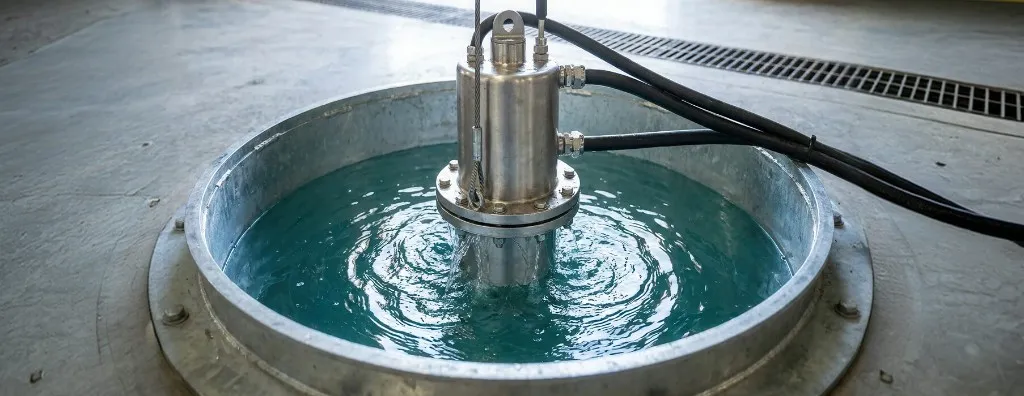
A well draws water directly from the ground, which means it’s shaped by whatever is in the soil, rock, and groundwater around it. That can include naturally occurring minerals, bacteria, or - depending on the area - agricultural or environmental runoff. None of that gets filtered out or treated before it reaches your faucet unless you have a system in place to do it.
Well water testing gives you an actual read on what’s in your water instead of a guess. It’s the starting point for deciding whether you need any kind of treatment at all, and if so, which kind.
The EPA and CDC recommend testing private well water at least once a year for the most common concerns: total coliform bacteria, nitrates, and pH. It’s also worth testing any time you notice a change - a shift in taste, smell, or color, a drop in water pressure, or cloudy water - since those can be early signs that something in your water supply has changed.
If you’ve just moved into a home with a private well, testing before you settle in is a smart first step, since you won’t have any history on the well to go by.
A standard well water test usually checks for a combination of the following:
Your results will usually come back with a straightforward pass/fail or a set of measured levels for each category, which makes it easy to see exactly where any issues are.
The right next step depends on what your test turns up:
Hardness issues (high calcium or magnesium): This is one of the most common well water complaints - it shows up as scale buildup on fixtures, soap that won’t lather well, and appliances that wear out faster than they should. A water softener is the standard fix.
Cloudy water or visible sediment: A sediment filtration system addresses this at the point where water enters your home, before it ever reaches your fixtures.
General water quality, taste, or odor concerns: A whole-home water filtration system is typically the broadest solution, designed to address a wider range of contaminants than a single-purpose fix.
Wanting the highest level of purification: For homeowners who want drinking water treated to the highest standard, reverse osmosis is the most thorough option available, typically installed at the point of use.
None of these systems are one-size-fits-all - the right choice comes down to what your specific test results show, which is exactly why testing first matters more than guessing.
Redwood Pipe & Drain Inc works with homeowners throughout Santa Cruz County on water quality concerns of all kinds - from whole-home filtration to sediment control to reverse osmosis systems for drinking water. If your well water test comes back with results you’re not sure how to interpret, or you already know you’re dealing with hard water, sediment, or general quality concerns, our team can help you find the right system for your home.
Call Redwood Pipe & Drain Inc at (831) 706-5620 to talk through your options, or request service online.
Send us a message at:
info@redwoodpipeanddrain.com 4.9
4.9 Trusted by local homeowners and businesses for fast, reliable plumbing services-available when you need us most.