4.9
The right size water heater is the one that matches your household’s peak hot water demand, which is the most hot water you use in a single hour. For a tank water heater, you match that demand to the unit’s first hour rating rather than just its tank capacity. For a tankless water heater, you match the combined flow rate of the hot water fixtures you run at the same time, measured in gallons per minute.
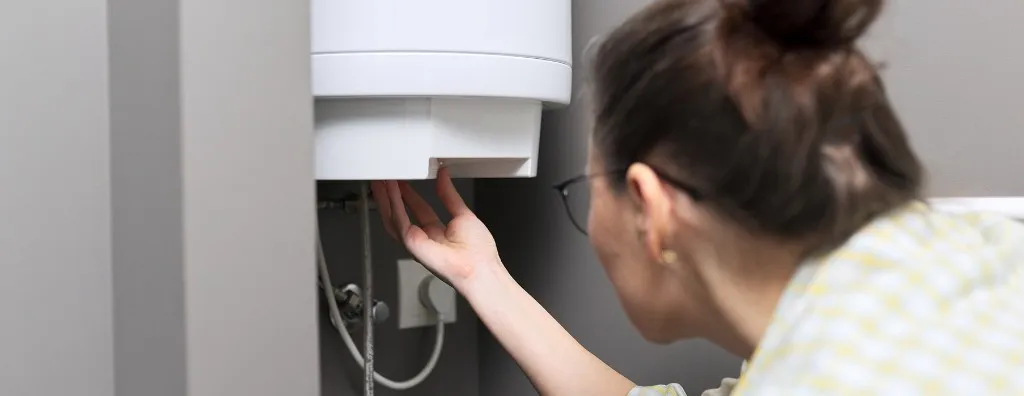
When people ask what size water heater they need, they usually mean how many gallons the tank holds. But the U.S. Department of Energy recommends sizing a storage water heater by its first hour rating, which is the number of gallons of hot water the heater can supply in one hour, starting with a full tank of hot water. That number depends on the tank capacity, the heat source (burner or element), and the size of the burner or element, so two heaters with the same tank size can have different first hour ratings. On new conventional storage water heaters, the first hour rating is listed in the top left corner of the EnergyGuide label, and manufacturer literature may list it too.
Start by finding your peak hour demand, the highest amount of hot water your household uses during a single one-hour period. Think about the busiest time of day, whether that’s morning, noon, or evening, and how many people are using hot water at once. Then add up the hot water used during that hour. The Department of Energy’s worksheet uses these average figures: about 20 gallons per shower, 2 gallons for shaving, 3 gallons for hand dishwashing or food prep, 7 gallons for an automatic dishwasher, and 25 gallons for a top-loading clothes washer or 15 gallons for a horizontal-axis (front-loading) washer.
For example, a household with three showers, one shave, and one round of hand dishwashing in the same hour would use about 66 gallons of hot water. The Department of Energy advises choosing a water heater with a first hour rating that at least matches your peak hour demand, so that household would need a first hour rating of 66 gallons or more. These figures are averages, and the worksheet estimates your busiest hour rather than your total daily hot water use.
A tankless water heater heats water on demand instead of storing it, so it is sized differently. Tankless units are rated by the maximum temperature rise they can deliver at a given flow rate, which means you need two numbers: how much hot water you’ll run at once, and how much the water needs to be heated.
To find the flow rate, list the hot water devices you expect to use at the same time and add up their flow rates in gallons per minute. For example, a hot water faucet at 0.75 gallons per minute running alongside a showerhead at 2.5 gallons per minute adds up to 3.25 gallons per minute. If you don’t know a fixture’s flow rate, you can measure it by holding a bucket under the faucet or showerhead for one minute. Low-flow fixtures can reduce the flow rate you need.
To find the temperature rise, subtract the incoming water temperature from the temperature you want. Unless you know otherwise, the Department of Energy suggests assuming incoming water is 50°F, and most uses call for water heated to 120°F, which means a temperature rise of 70°F. The type of unit matters here: a 70°F rise is typically possible at about 5 gallons per minute with gas-fired tankless heaters but only about 2 gallons per minute with electric ones. Faster flow rates or colder incoming water can sometimes lower the temperature at the farthest faucet.
A properly sized water heater meets your household’s hot water needs while operating more efficiently, which is why it pays to get the size right before you buy. If you’re already troubleshooting other symptoms-such as a leaking water heater or a pilot light that keeps going out-confirming the right size with a professional can help you decide whether repair or replacement is the better next step. For sizing combination water and space heating systems, the Department of Energy recommends consulting a qualified contractor.
Not on its own. A tank water heater’s first hour rating depends on the tank capacity, the heat source, and the size of the burner or element, so it’s best to compare first hour ratings rather than tank size alone.
On new conventional storage water heaters, it appears in the top left corner of the EnergyGuide label. Heat pump water heaters aren’t required to carry that label, so check the manufacturer’s product literature.
Not necessarily. According to the Department of Energy, a properly sized water heater meets a household’s hot water needs while operating more efficiently, which is why sizing to your actual demand matters.
Redwood Pipe & Drain Inc helps homeowners throughout Santa Cruz County with water heaters, including tankless models. If you’re not sure what size fits your household, we can help you work through your hot water needs and choose the right water heater for your home.
Call Redwood Pipe & Drain Inc at (831) 706-5620, or request service online.
Send us a message at:
info@redwoodpipeanddrain.com 4.9
Trusted by local homeowners and businesses for fast, reliable plumbing services-available when you need us most.